“Florida Bay is chronically starved of freshwater… we’re just one drought away from a major disaster.”
— Dr. Jennifer Rehage
In the southern reaches of the Everglades, freshwater that slowly winds its way from Lake Okeechobee through marshes, sloughs and wetlands eventually mixes with the sea in the shallow waters of Florida Bay. Nearly the entire bay lies within Everglades National Park, supporting a renowned recreational fishery that contributes hundreds of millions of dollars to South Florida’s economy each year.
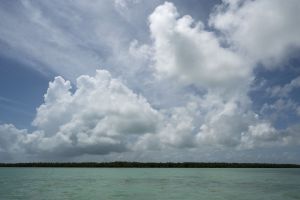 But this extraordinary ecosystem depends on something that’s been in short supply for generations — clean freshwater. Without enough freshwater, salinity rises, seagrass becomes stressed and the delicate balance that sustains fish, birds and other wildlife begins to unravel.
Dr. Jennifer Rehage, a professor at Florida International University and coastal and fish ecologist, calls Florida Bay “chronically starved of freshwater,” and estimates that it now receives a quarter of the water on average that it received historically. For years her work has helped to sound the alarm on the bay’s precarious situation, noting that more freshwater flow is the key to keeping the health of Florida Bay in check.
The good news is a solution is within reach. Tens of thousands of people are joining forces to “Rescue the River of Grass.” By securing more land in the Everglades Agricultural Area to store, clean and move water south, we can help restore the natural flow that Florida Bay, and the entire Everglades ecosystem, depend on.