About Friends of the Everglades:
Friends of the Everglades was founded in 1969 by Marjory Stoneman Douglas, a driving force behind the creation of Everglades National Park and author of The Everglades: River of Grass. As a 501(c)(3) nonprofit dedicated to preserving the only Everglades in the world, we have identified the following priorities for the 2025 session of the Florida Legislature.
2025 State Legislative Priorities:
JUMP TO:
Rescue the River of Grass
Protect Wetlands
Protect Florida’s state parks
Take bold steps to improve water quality
Don’t ban fertilizer bans
Smarter, controlled development
Stop sugarcane burning
1. Rescue the River of Grass:
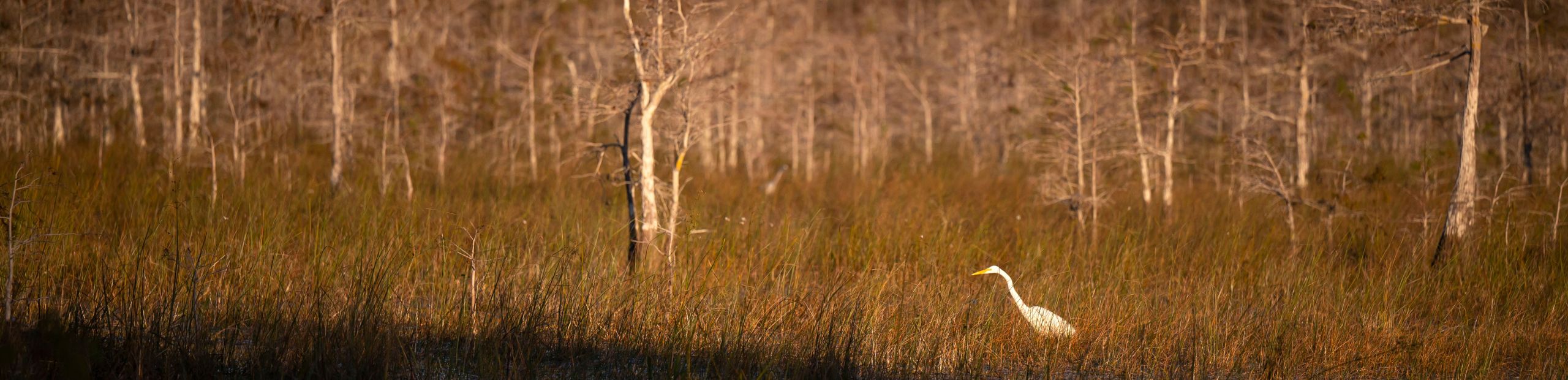
Acquiring more land will mean a healthier Everglades and a stronger Florida. To ensure a sustainable future for Florida’s economy, environment and public health, the state must acquire additional land in the Everglades Agricultural Area (EAA) to be used for water storage and treatment. This would prevent harmful discharges to the estuaries, reduce the threat to human health posed by harmful algal blooms, restore clean-water flow to the southern Everglades and Florida Bay, and protect South Florida’s drinking water. The time to act is now, as the money is available via Amendment 1 funds. Without immediate action, we risk losing momentum — and the Everglades itself.
With that in mind:
- The state must acquire at least 100,000 acres in the EAA for water storage and treatment, using funding from the Land Acquisition Trust Fund.
- Capacity in the existing 62,000 acres of STAs should be prioritized to protect public health and the environment — not large industrial sugarcane growers.
2. Protect wetlands
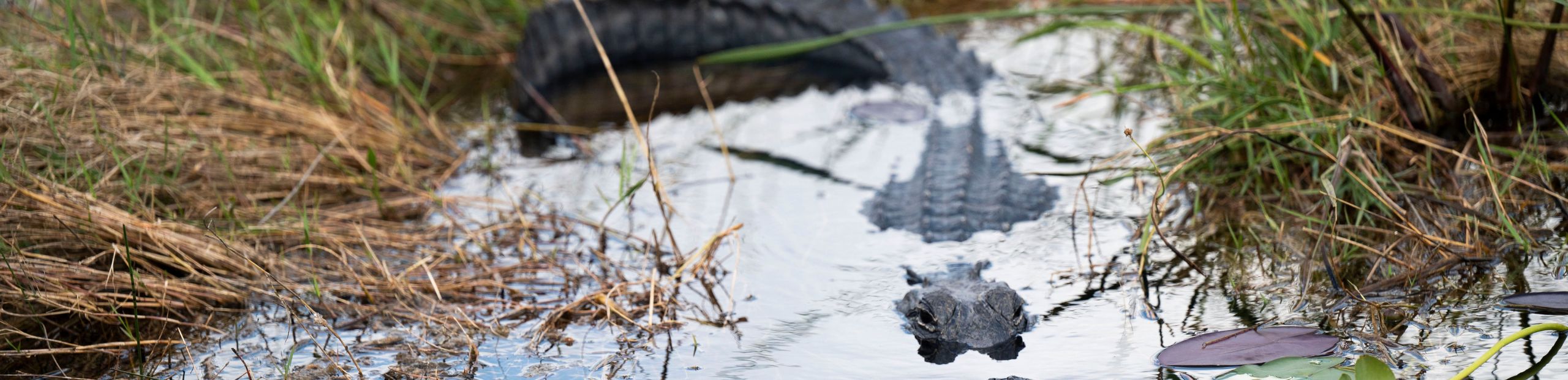
Wetlands are crucial to clean water in Florida and must be preserved. The U.S. Supreme Court’s 2023 decision in Sackett vs. EPA imperils crucial wetlands nationwide. The potential for harm is especially acute in Florida, where almost one-third of the state consists of wetlands. Florida’s state protections for wetlands are generally regarded as rigorous, but the state’s interest in taking over federal 404 program permitting for the sake of expediency raises the prospect that corners will be cut to expedite permitting. At the local level, many Florida counties and municipalities have implemented their own, additional protections. The state must respect those local decisions by rejecting any proposal to preempt local regulation of wetlands.
3. Protect Florida’s state parks
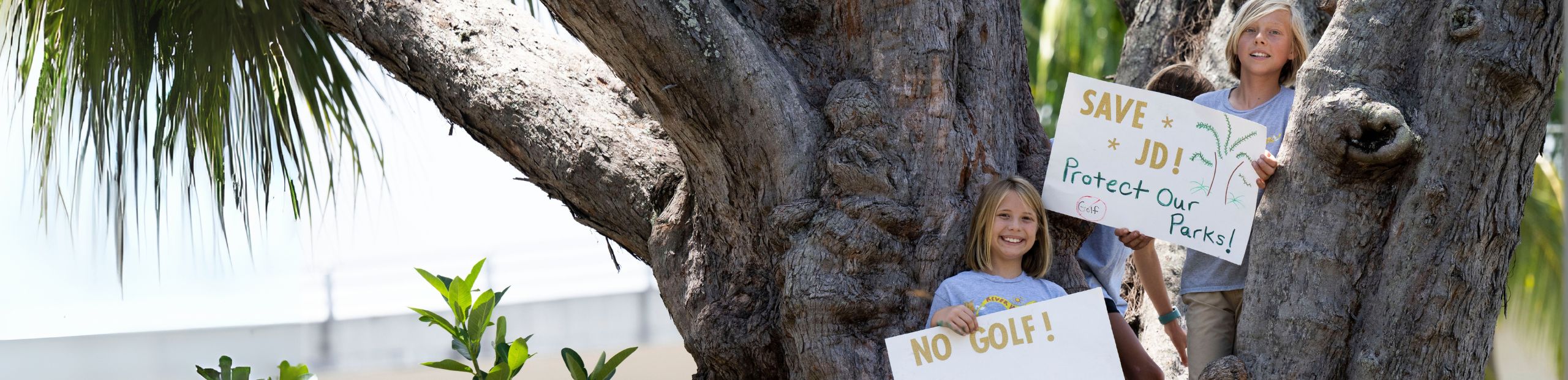
Prohibit inappropriate, damaging development in Florida’s state parks; and be more transparent about the process. An aborted 2024 plan to construct golf courses, 350-room lodges, pickleball courts and other amenities in nine state parks generated tremendous public outcry. Despite the controversy, Gov. Ron DeSantis indicated the proposals could resurface in 2025. Urgent action is needed to:
- Propose and pass legislation preventing inappropriate or overly-intensive development from being constructed in Florida’s state parks.
- Permit the public a greater say in state park planning by extending public comment periods, scheduling additional community meetings and allowing for additional input before proposals are voted on by state officials.
4. Take bold steps to improve water quality
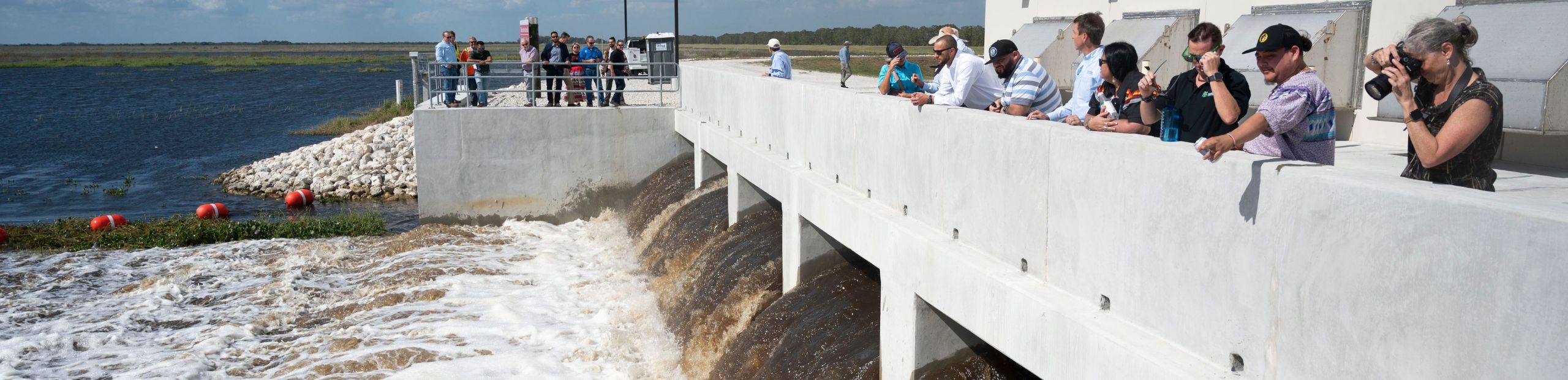
Address water pollution at the source: Poor water quality is a growing problem across Florida. Basin Management Action Plans (BMAP), the state’s main tool to aid impaired waterways, have largely failed to meet pollution-reduction goals. Meanwhile, advice from scientific experts like the state’s Blue-Green Algae Task Force has been ignored.
To strengthen protections for Florida’s waters:
- Implement all recommendations of the state’s Blue-Green Algae Task Force and Harmful Algal Bloom/Red Tide Task Force.
- Hold FDEP accountable when BMAPs fail to meet pollution reduction goals.
- Step up enforcement, making a concerted effort to identify “nonpoint” sources of pollution and correct the problem.
- Boost compliance funding for the Florida Department of Agriculture and Consumer Services, which conducts on-site inspections to ensure farmers are complying with best management practices (BMPs), and validate inspection data.
- Update BMPs where science indicates there are more effective ways to reduce nutrient pollution.
5. Don’t ban fertilizer bans
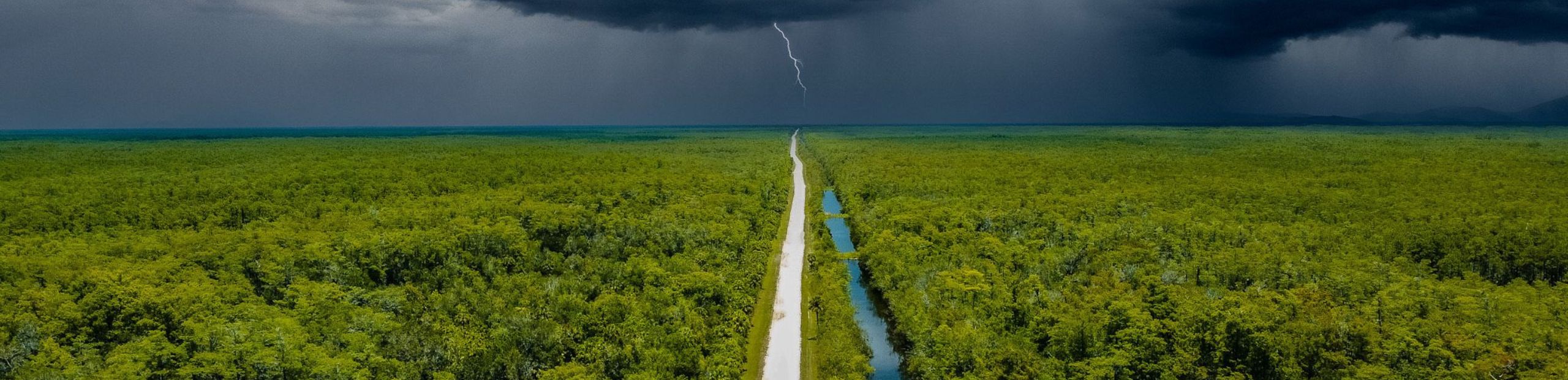
County/municipal fertilizer ordinances are key to improved water quality: Across Florida, at least 18 counties and more than 100 municipalities have “strong” fertilizer ordinances with summer blackout periods. Research has repeatedly shown nutrients washed into waterways in the wake of heavy summer storms can be traced to fertilizers, and regulating the use of fertilizers is one of the simplest and most cost-effective things counties/municipalities can do to limit nutrient pollution.
Any legislative attempts to weaken or eliminate such ordinances, or preempt local governments from adopting them, could harm water quality throughout the state.
6. Smarter, controlled development
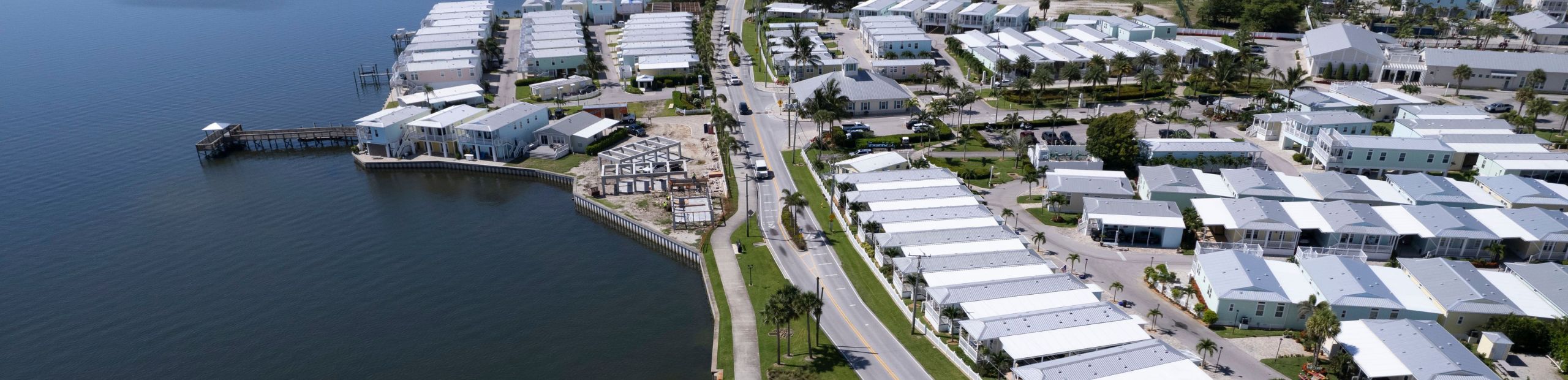
Re-strengthen the state’s role in growth management. The 2011 Community Planning Act, which eliminated the Florida Department of Community Affairs, removed crucial checks and balances over local planning decisions. In more recent years, the Legislature has penalized citizens who challenge environmental decisions at the local level.
The state must play a common-sense role in growth management, and attempts to intimidate citizens must stop. The state should:
- Re-establish the Department of Community Affairs or create a similar agency and empower it to object to and challenge bad amendments to local comprehensive plans.
- Renew the law’s prior protections for rural and environmentally sensitive lands.
- Repeal penalties levied on local citizens who bring legitimate but ultimately unsuccessful challenges to questionable development approvals.
7. Stop sugarcane burning
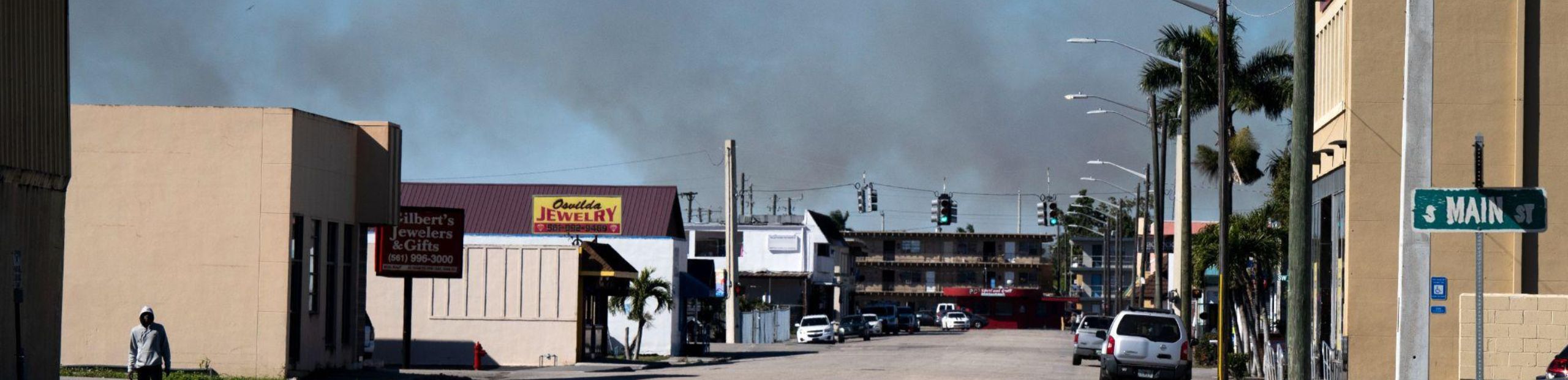
Phase out pre-harvest burning. Sugarcane growers burn about 400,000 acres of cane fields to facilitate harvest in Florida, causing smoke and ash to blanket nearby communities, which contributes to health problems including asthma and chronic obstructive pulmonary disease (COPD). Sugarcane burning is an environmental injustice, disproportionately affecting low-income communities of color in the Glades region. This outdated practice must be phased out and growers required to transition to safer “green” harvesting. While burning is regulated by FDACS, the Agriculture Commissioner has failed for years to act, so we call upon the Florida Legislature to end this harm.